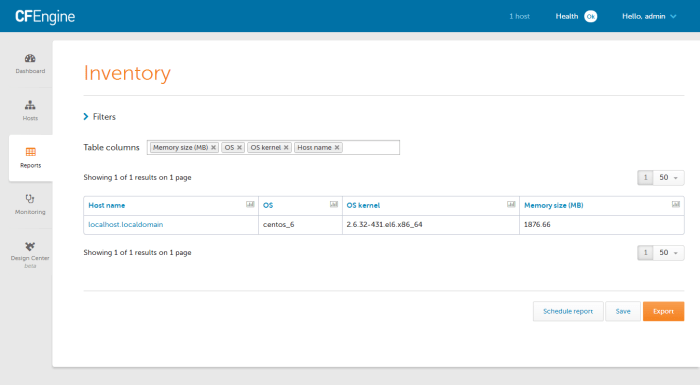
Inventory accounting systems play a crucial role in the operational success of businesses, ensuring that inventory levels are meticulously tracked and managed. These systems not only help maintain accurate financial records but also enhance efficiency and decision-making across various departments.
From choosing the right accounting methods to integrating inventory with overall business practices, understanding these systems is essential for fostering growth and profitability. As companies navigate the complexities of inventory management, the benefits of robust accounting systems become increasingly evident, impacting everything from financial reporting to customer satisfaction.
Importance of Inventory Accounting Systems
In today’s fast-paced business environment, having an efficient inventory accounting system is crucial for any organization looking to optimize its operations. These systems are vital for tracking stock levels, managing supply chains, and ensuring that financial reporting is accurate. Accurate inventory accounting is not just about keeping tabs on products; it has far-reaching implications for a company’s financial health and operational efficiency.A robust inventory accounting system can significantly impact financial reporting.
Accurate inventory data allows businesses to present a true picture of their assets and overall financial status. This, in turn, can enhance credibility with investors and stakeholders. The benefits of implementing a comprehensive inventory accounting system include streamlined operations, reduced costs, and improved decision-making capabilities.
Key Benefits of Inventory Accounting Systems
The advantages of having an effective inventory accounting system are numerous:
- Enhanced Accuracy: Reduces discrepancies and errors in financial reporting.
- Improved Cash Flow Management: Helps businesses maintain optimal inventory levels, avoiding overstock or stockouts.
- Data-Driven Decisions: Provides real-time insights that aid in strategic planning and forecasting.
- Cost Reduction: Minimizes operational inefficiencies and waste through better inventory control.
Types of Inventory Accounting Methods
Understanding different inventory accounting methods is essential for businesses to choose the best fit for their operations. The most common methods are First-In, First-Out (FIFO), Last-In, First-Out (LIFO), and Weighted Average. Each method has its pros and cons that can significantly affect financial outcomes.
Overview of Inventory Accounting Methods
Here’s a closer look at each method:
| Method | Description | Pros | Cons |
|---|---|---|---|
| FIFO | Assumes the oldest inventory items are sold first. | Reflects current market value, beneficial in inflation. | Can result in higher taxes during periods of rising prices. |
| LIFO | Assumes the newest inventory items are sold first. | Can reduce tax liability during inflation. | May not reflect current inventory value accurately. |
| Weighted Average | Calculates a weighted average cost for all items in inventory. | Simplifies bookkeeping and smooths out price fluctuations. | May not accurately reflect true inventory costs. |
Each method can significantly influence a business’s profitability and tax liabilities. For instance, using LIFO during inflation can reduce taxable income, whereas FIFO might present a more favorable financial position but could lead to higher tax expenses.
Integration with Business Accounting
Inventory accounting systems must be seamlessly integrated with overall business accounting practices to ensure efficiency and accuracy. Accurate inventory records are critical components of financial statements and can affect budgeting, forecasting, and overall financial health.
Importance of Integration
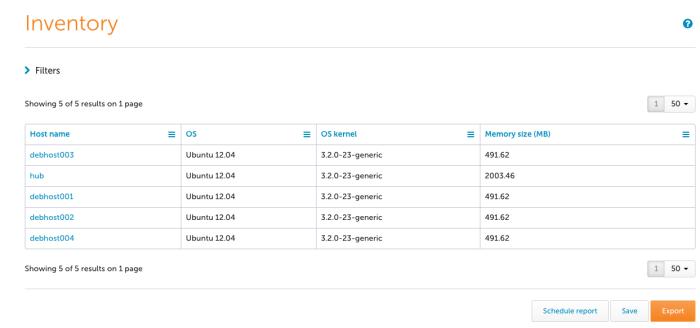
Integrating inventory accounting with general accounting practices involves the following aspects:
- Real-time Data Access: Ensures that all departments have access to the latest inventory information.
- Streamlined Processes: Reduces manual entry errors and increases operational efficiency.
- Holistic Financial Insights: Provides a clearer picture of business performance through consolidated data.
Common software solutions that facilitate integration include platforms like QuickBooks, SAP, and Oracle NetSuite, which offer modules specifically designed for inventory management. These tools help ensure that inventory data aligns with other financial metrics within the business.
Role in Payroll Management
Inventory accounting systems can also play a critical role in payroll management. The relationship between inventory levels and labor costs is significant; as inventory levels fluctuate, so too do the staffing needs associated with managing that inventory.
Link Between Inventory and Labor Costs
Effective inventory management can optimize payroll expenses by:
- Aligning Staffing Levels: Ensuring adequate staffing during peak inventory periods.
- Reducing Overtime Costs: Managing inventory efficiently can limit the need for overtime shifts.
- Training Focus: Providing targeted training for employees based on inventory turnover and needs.
By adopting effective inventory management practices, businesses can ensure that they are not only managing their stock efficiently but also controlling their labor costs effectively.
Inventory Accounting and Business Advertising
Accurate inventory data can significantly enhance advertising strategies. Businesses can utilize inventory levels to inform marketing campaigns and promotional activities, ensuring that they align closely with what is available for sale.
Utilizing Inventory in Marketing Strategies
Key ways businesses can leverage inventory data in their advertising efforts include:
- Targeted Promotions: Running sales on overstocked items to clear inventory.
- Highlighting Available Products: Introducing new products into advertising campaigns based on current inventory levels.
- Seasonal Campaigns: Planning promotions around seasonal inventory fluctuations.
The relationship between inventory turnover and advertising effectiveness is direct; a well-managed inventory can lead to higher customer satisfaction and loyalty.
Effects on Business Agriculture
Inventory accounting poses unique challenges for agriculture-related businesses. The nature of agricultural products, including perishability and seasonality, requires specialized accounting practices to ensure accurate tracking and reporting.
Challenges in Agricultural Inventory Accounting
Some of the unique challenges include:
- Perishability: Managing inventory of perishable goods requires timely accounting to minimize waste.
- Seasonal Fluctuations: Accounting practices must adapt to seasonal harvests and sales cycles.
- Market Demand Variability: Fluctuations in demand can complicate inventory management and accounting.
Implementing specific methods for accounting for perishable goods, such as using advanced inventory tracking software, can mitigate some of these challenges.
Influence on Architecture and Interior Design Firms
For architecture and interior design firms, inventory accounting systems are vital for managing materials and furnishings effectively. These businesses require precision in tracking materials to ensure project timelines and budgets remain intact.
Managing Inventory in Design Projects
The effective management of inventory for materials and furnishings involves:
- Project-Specific Tracking: Keeping detailed records for each project to monitor material usage and costs.
- Supplier Relationships: Maintaining good communication with suppliers to ensure timely deliveries.
- Software Utilization: Employing inventory management software tailored to design firms, such as Design Manager or Studio Webware.
These practices help ensure that design projects are completed on time and within budget, enhancing client satisfaction and firm reputation.
Conclusive Thoughts
In conclusion, effective inventory accounting systems are foundational for businesses aiming to streamline operations and achieve long-term success. By optimizing inventory management practices and staying informed about industry trends, companies can enhance their profitability and ensure a competitive edge in the market.
FAQ Resource
What is an inventory accounting system?
An inventory accounting system is a method used to track inventory levels, sales, and purchases, integrating these elements into financial statements for accurate reporting.
How does inventory accounting affect cash flow?
Effective inventory accounting can optimize cash flow by ensuring that inventory levels are aligned with sales, thus reducing excess stock and improving liquidity.
What software solutions are available for inventory accounting?
There are several popular software solutions for inventory accounting, including QuickBooks, Zoho Inventory, and Fishbowl, which facilitate real-time tracking and reporting.
Can small businesses benefit from inventory accounting systems?
Yes, small businesses can greatly benefit from inventory accounting systems as they help streamline operations, enhance financial accuracy, and improve decision-making.
What challenges do businesses face with inventory accounting?
Businesses often face challenges such as inaccurate records, stock discrepancies, and the complexities of integrating various accounting methods, which can hinder effective inventory management.