
Predictive maintenance systems are transforming the way industries approach equipment management and maintenance strategies. By leveraging advanced technologies such as sensors and data analytics, these systems anticipate equipment failures before they occur, ultimately saving costs and enhancing operational efficiency. Industries ranging from manufacturing to construction are reaping the benefits of this innovative approach, making predictive maintenance a key component of modern business practices.
This narrative delves into the essential components, benefits, and challenges of implementing predictive maintenance systems, shedding light on their significant impact across various sectors. With an emphasis on real-world applications and future trends, this discussion offers a comprehensive overview of how predictive maintenance is shaping the future of industry standards.
Introduction to Predictive Maintenance Systems
Predictive maintenance systems are revolutionizing the way industries approach maintenance and equipment management. This proactive strategy not only helps in minimizing unexpected failures but also optimizes operational efficiency across various sectors. By predicting when maintenance should be performed, businesses can avoid costly downtimes and extend the lifespan of their assets.The rise of advanced technologies, such as the Internet of Things (IoT), machine learning, and big data analytics, has significantly enabled the evolution of predictive maintenance systems.
These technologies empower organizations to gather real-time data from equipment and analyze it, allowing for timely maintenance interventions. Industries such as manufacturing, transportation, and healthcare have seen substantial benefits from implementing predictive maintenance practices, ultimately leading to improved reliability and reduced operational costs.
Components of Predictive Maintenance Systems
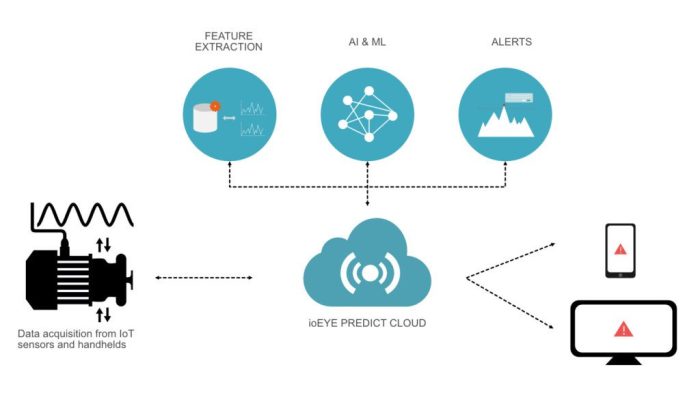
Predictive maintenance systems consist of several key components that work together seamlessly. Understanding these components is essential for successful implementation. The primary elements include:
- Sensors: These are critical in collecting real-time data from machinery, monitoring parameters such as temperature, vibration, and pressure.
- Data Analytics: Advanced algorithms analyze sensor data to identify patterns and predict potential failures before they occur.
- Maintenance Management Software: This software integrates with existing systems to provide insights and manage maintenance schedules effectively.
Integrating predictive maintenance systems with existing equipment is essential for maximizing their effectiveness. This can involve retrofitting older machines with modern sensors or using cloud-based platforms that centralize data from various sources, facilitating easier monitoring and analysis.
Benefits of Predictive Maintenance
The advantages of predictive maintenance are considerable, making it a vital strategy for many organizations. One of the most significant benefits is the cost savings associated with reducing unplanned downtime. By addressing maintenance needs proactively, companies can avoid expensive repairs and production losses.Additionally, predictive maintenance can enhance the lifespan of equipment. Regular monitoring and timely interventions help keep machinery in optimal condition, reducing wear and tear.
Compared to traditional maintenance approaches, which often rely on fixed schedules or reactive measures, predictive maintenance allows for a more efficient allocation of resources and prioritization of maintenance tasks based on actual equipment needs.
Challenges in Implementing Predictive Maintenance Systems
Despite its many benefits, organizations often face challenges when implementing predictive maintenance solutions. Common obstacles include the integration of new technologies with legacy systems and the need for significant initial investments in infrastructure and training.Data privacy and security concerns can also arise, especially when sensitive information about operations is collected and transmitted. Organizations must establish robust cybersecurity measures to protect their data.To overcome resistance to change, it is essential to communicate the value of predictive maintenance effectively.
Engaging stakeholders and providing training opportunities can foster acceptance and encourage a culture of continuous improvement.
Predictive Maintenance in Business Accounting
Predictive maintenance has a significant impact on financial reporting and accounting practices within organizations. Maintenance costs, traditionally seen as variable expenses, can be integrated into budgeting frameworks to forecast future spending accurately.By incorporating predictive maintenance initiatives into business accounting, companies can allocate funds more effectively and track their return on investment (ROI) over time. This proactive approach allows for better financial planning and resource allocation.
Predictive Maintenance and Human Resources
The implementation of predictive maintenance systems also has implications for workforce management and training. As organizations adapt to these technologies, the demand for skilled personnel who can effectively utilize these systems increases.Identifying and developing the necessary skills among staff is crucial for successful implementation. This training ensures that employees are equipped to manage and analyze data generated by predictive maintenance systems.
Fostering a culture that embraces predictive maintenance within teams encourages collaboration and innovation, ultimately leading to more significant benefits for the organization.
Predictive Maintenance in the Construction Industry
In the construction industry, predictive maintenance plays a vital role in equipment management. By utilizing predictive maintenance strategies, companies can significantly reduce downtime on job sites, ensuring projects stay on schedule and within budget.Successful case studies from construction firms demonstrate the effectiveness of predictive maintenance in managing heavy machinery and tools. These companies have reported decreased repair costs and improved project completion rates due to timely maintenance interventions.
Predictive Maintenance in Business Consulting
Consultants play a crucial role in guiding companies through the implementation of predictive maintenance systems. Their expertise helps assess a company’s readiness for these technologies and develop tailored strategies for successful adoption.Continuous improvement is essential in predictive maintenance strategies. Consultants can offer valuable insights on best practices and performance benchmarks, ensuring organizations can refine their processes over time.
Future Trends in Predictive Maintenance
As technology continues to advance, several emerging trends are likely to shape the future of predictive maintenance. The integration of artificial intelligence and machine learning is expected to enhance data analysis capabilities, leading to even more accurate predictive models.In the next decade, we can anticipate that predictive maintenance systems will become increasingly sophisticated, incorporating real-time analytics and automated decision-making processes.
Industries that adopt these technologies early will likely gain a competitive edge.
Case Studies and Real-World Applications
Several organizations have successfully implemented predictive maintenance, showcasing its effectiveness through tangible outcomes. For instance, a major manufacturing company reported a 30% reduction in maintenance costs and a 25% increase in equipment availability after adopting predictive maintenance strategies.These case studies highlight key performance indicators, such as reduced downtime and improved asset utilization, demonstrating the value of predictive maintenance for organizations across various sectors.
Closure
In conclusion, predictive maintenance systems represent a vital shift towards smarter, more efficient operational practices. By adopting these systems, organizations can not only reduce costs and downtime but also extend the lifespan of their equipment. As technology continues to advance, the future of predictive maintenance holds the promise of even greater innovations, empowering businesses to stay ahead in an increasingly competitive landscape.
Helpful Answers
What is predictive maintenance?
Predictive maintenance is a proactive approach to maintenance that uses data analysis and monitoring to predict equipment failures before they occur.
How does predictive maintenance save costs?
By preventing unexpected breakdowns and reducing downtime, predictive maintenance can significantly lower repair costs and improve productivity.
What industries benefit most from predictive maintenance?
Industries such as manufacturing, construction, transportation, and energy are among those that have seen substantial benefits from implementing predictive maintenance systems.
What role do sensors play in predictive maintenance?
Sensors collect real-time data on equipment performance, allowing for accurate analysis and timely predictions of maintenance needs.
Can small businesses implement predictive maintenance?
Yes, small businesses can benefit from predictive maintenance by utilizing scalable systems and sensors tailored to their specific needs and budgets.