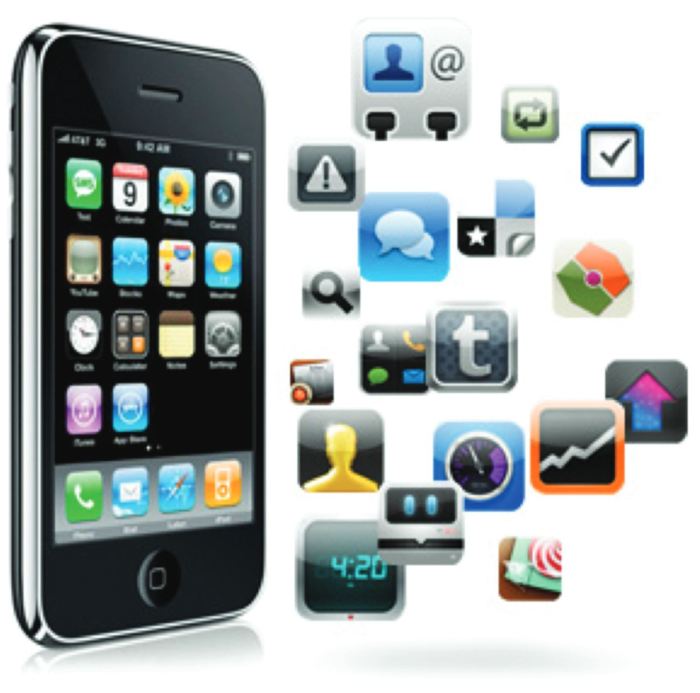
Mobile advertising platforms are at the forefront of the digital marketing landscape, redefining how brands connect with their audiences. In an age where smartphones dominate, these platforms offer innovative solutions for businesses to engage consumers effectively on their mobile devices.
The evolution of these platforms has been remarkable, transitioning from simple banner ads to complex programmatic systems that leverage data analytics and AI for targeted marketing. Understanding how these platforms operate and their impact on various industries is essential for businesses looking to thrive in today’s mobile-centric world.
Mobile Advertising Platforms Overview
Mobile advertising platforms have revolutionized the way businesses engage with consumers on their mobile devices. These platforms facilitate the buying, selling, and management of mobile ad inventory, enabling advertisers to reach targeted audiences effectively. Over the years, mobile advertising has evolved significantly, from simple banner ads to sophisticated, data-driven campaigns that leverage user behavior and preferences.The evolution of mobile advertising platforms has been marked by technological advancements and changing consumer habits.
Initially, mobile advertising was limited to basic SMS promotions and static banners. However, with the advent of smartphones and high-speed internet, platforms have integrated rich media formats, video ads, and interactive content. Key players in the mobile advertising platform industry include Google, Facebook, and various ad networks that specialize in mobile marketing solutions.
Types of Mobile Advertising Platforms
Several types of mobile advertising platforms are available in the market, each serving different advertising needs. Understanding these types is crucial for businesses looking to optimize their advertising strategies.
- Programmatic Advertising Platforms: These platforms use automated technology to buy and sell ad space in real-time, allowing for precise targeting based on data analytics.
- Traditional Mobile Advertising: This includes direct buys from publishers or ad networks, often involving manual negotiations and less flexibility in targeting.
- Social Media Advertising Platforms: Platforms like Facebook and Instagram offer advertising solutions that leverage user-generated content and social interactions.
- In-App Advertising Platforms: These platforms enable ads to be displayed within mobile applications, providing a seamless user experience.
Comparing programmatic advertising with traditional mobile advertising highlights distinct advantages and disadvantages. Programmatic platforms offer efficiency and better targeting, while traditional methods may provide more control over brand messaging but can be less cost-effective.
Business Accounting and Mobile Advertising
Mobile advertising significantly impacts business accounting by introducing new expense categories and tracking methods. Businesses can effectively monitor their advertising expenses using mobile platforms, facilitating accurate budgeting and financial forecasting.For instance, platforms like Google Ads provide detailed reports on ad spending, clicks, and conversions. This data can be integrated into financial reports, allowing businesses to assess the return on investment (ROI) from their advertising campaigns and make informed decisions about future spending.
Mobile Advertising in Business Marketing Strategies
Mobile advertising plays a pivotal role in modern business marketing strategies, enhancing brand visibility and engagement. Businesses can leverage mobile advertising platforms to reach consumers where they spend most of their time—on their mobile devices.Successful mobile advertising campaigns have emerged across various industries. For example, a retail brand might use location-based ads to target consumers within proximity to their stores, while a food delivery service could deploy push notifications to entice users with special offers during peak hours.
Mobile Advertising and Consumer Behavior
Mobile advertising has a profound influence on consumer purchasing behavior. Studies indicate that personalized mobile ads can lead to higher engagement rates and increased conversions. Targeting and personalization are essential elements of effective mobile advertising, allowing businesses to connect with consumers on an individual level.Insights into consumer response reveal that mobile ads often outperform traditional ads due to their interactive nature and relevance.
Consumers appreciate ads that align with their interests and behaviors, leading to higher click-through rates and sales.
Challenges Faced by Mobile Advertising Platforms
Despite the growth of mobile advertising, platforms face several common challenges. Privacy concerns associated with data collection are paramount, as consumers become increasingly aware of how their information is used. Additionally, ad fraud remains a critical issue, with fraudulent clicks and impressions significantly impacting advertisers’ budgets. Transparency in mobile advertising practices is essential for building trust between brands and consumers.
Future Trends in Mobile Advertising
Emerging trends in mobile advertising platforms are shaping the future of the industry. The integration of artificial intelligence (AI) is expected to enhance targeting precision and optimize ad placements. Moreover, shifts in consumer preferences indicate a growing demand for interactive and immersive ad experiences, such as augmented reality (AR) and virtual reality (VR) ads, which offer unique engagement opportunities.
Mobile Advertising and Business Franchising
Franchisors can utilize mobile advertising platforms to support franchisees in promoting their locations. Effective mobile advertising strategies for franchises include geo-targeted promotions and localized content to attract potential customers in specific regions.Local targeting is particularly crucial for franchise businesses, as it allows them to reach their audience with relevant ads that consider local culture and preferences.
Mobile Advertising in Agriculture and Construction

Mobile advertising offers significant benefits for businesses in agriculture, enabling targeted marketing to farmers and suppliers through mobile platforms. For instance, agricultural companies can showcase new products and services directly to their audience.In the construction industry, mobile advertising serves as an effective tool for lead generation. Successful campaigns can include showcasing completed projects or offering promotions on construction materials, connecting suppliers directly with contractors.
Integrating Mobile Advertising with Customer Service
Businesses can enhance customer service through mobile advertising by incorporating feedback mechanisms into their campaigns. This allows brands to respond quickly to customer inquiries and improve their services based on consumer insights.Mobile apps play a vital role in providing customer support alongside advertising efforts, enabling users to access assistance seamlessly while engaging with ads.
Mobile Advertising and Human Resources
Mobile advertising platforms can assist businesses in recruitment efforts by promoting job openings to targeted audiences. Effective mobile recruitment ads highlight company culture and benefits, attracting quality candidates.The impact of mobile advertising on employer branding is significant, as a well-executed mobile campaign can enhance a company’s visibility and appeal to potential employees.
Ethical Considerations in Mobile Advertising
Businesses must consider ethical concerns when using mobile advertising platforms. Transparency in advertising practices is crucial for maintaining trust with consumers, particularly regarding data collection and usage.Guidelines for ethical advertising on mobile platforms include clearly disclosing data practices and ensuring that advertisements are not misleading or intrusive, fostering a positive relationship between brands and their audiences.
Final Review
In conclusion, mobile advertising platforms are not just a trend but a significant component of modern marketing strategies. As businesses continue to embrace these platforms, they unlock new opportunities for growth and enhanced consumer engagement. Staying ahead of emerging trends and adapting to technological advancements will be key to success in the evolving landscape of mobile advertising.
Key Questions Answered
What are mobile advertising platforms?
Mobile advertising platforms are tools that enable businesses to create, manage, and optimize ads specifically designed for mobile devices.
How do mobile advertising platforms differ from traditional advertising?
Mobile advertising platforms leverage data and technology to deliver targeted ads in real-time, whereas traditional advertising often relies on broad, less-targeted approaches.
What are the benefits of using mobile advertising platforms?
The benefits include precise targeting, real-time analytics, improved customer engagement, and higher ROI compared to traditional methods.
How can businesses measure the success of their mobile advertising campaigns?
Success can be measured through metrics such as click-through rates, conversion rates, and overall return on advertising spend.
Are there any risks associated with mobile advertising?
Yes, risks include ad fraud, privacy concerns, and potential backlash from consumers regarding targeted advertising practices.