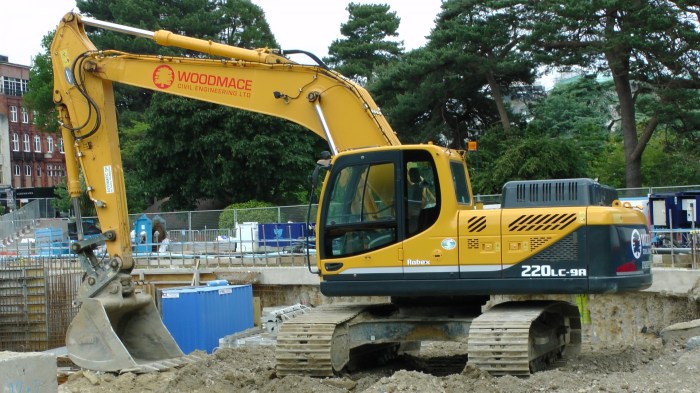
Construction project software is revolutionizing the way projects are managed in the construction industry. With an array of powerful tools at their disposal, project managers can streamline processes, improve communication among team members, and optimize resource allocation. This software not only enhances productivity but also ensures that projects are completed on time and within budget, positioning companies for success in a competitive market.
As we delve deeper into the capabilities of construction project software, it becomes clear that its benefits extend beyond mere management. From facilitating collaboration to offering advanced reporting features, this software is an essential component for modern construction firms aiming to enhance efficiency and drive innovation.
Overview of Construction Project Software
Construction project software is a vital tool in the modern construction industry, designed to streamline the management of projects from inception to completion. These software solutions come packed with features that enhance efficiency, communication, and overall project clarity. By utilizing construction project software, teams can better plan, execute, and monitor their projects, leading to a more organized workflow and reduced chances of costly errors.Popular construction project software tools like Procore, Buildertrend, and CoConstruct provide a range of functionalities, including project scheduling, document management, and task assignments.
The benefits of these solutions are significant; they help project managers stay on top of timelines, budgets, and resource allocations, ultimately improving the chances of project success.
Benefits of Construction Project Software
The implementation of construction project software results in numerous benefits that help drive projects toward successful completion. Key advantages include:
- Improved Project Efficiency: Construction project software automates routine tasks and simplifies project tracking, which boosts productivity for the entire team.
- Cost Management and Budgeting: Many construction project software tools offer advanced budgeting features, allowing managers to keep track of expenses and forecast financial needs more accurately.
- Enhanced Collaboration: Features like shared documents and real-time updates facilitate better communication among team members, ensuring everyone is aligned and informed.
Key Features to Look for in Construction Project Software
When choosing construction project software, it’s crucial to consider the essential features that will support effective project management. These features include:
- Task Management: A comprehensive task management system to assign jobs and track progress efficiently.
- Mobile Accessibility: Mobile-friendly solutions enable project managers and field workers to access information on-the-go, ensuring timely updates.
- Reporting and Analytics: Robust reporting tools help in tracking project performance, facilitating data-driven decision-making.
Implementation of Construction Project Software

Successfully implementing construction project software requires careful planning and execution to overcome potential challenges. The steps involved include:
- Assessment of Needs: Evaluate the specific requirements of your organization to choose the right software.
- Training Staff: Comprehensive training programs will ensure all team members are comfortable using the new software.
- Overcoming Challenges: Identify common issues such as resistance to change and provide ongoing support to address them effectively.
Integration with Other Business Functions
Integrating construction project software with other business functions can significantly enhance operational efficiency. The key integrations include:
- Accounting Systems: Integration with accounting software allows for streamlined financial management and accurate tracking of expenses.
- Payroll Management: Payroll features help in efficiently managing staffing costs, ensuring timely payments to workers.
- Customer Service Tools: Linking project software with customer service platforms enhances client management and improves communication with stakeholders.
Impact on the Construction Industry
Construction project software plays a crucial role in shaping the future of the industry, driving innovation and improving operational standards. The impact is evident through:
- Innovation and Technological Advancement: These software solutions promote the adoption of new technologies and processes in construction.
- Project Delivery Timelines: Statistics show that companies using project software often experience reduced project timelines, leading to cost savings.
- Compliance and Safety Standards: Enhanced compliance features ensure that safety standards are met, fostering a safer working environment.
Future Trends in Construction Project Software
As technology evolves, so does construction project software. Emerging trends that are set to shape the future include:
- Artificial Intelligence and Machine Learning: These technologies are expected to improve predictive analytics and project management capabilities.
- Sustainability Features: Increasing emphasis on sustainability will lead to software that helps track and reduce environmental impact.
- Enhanced Collaboration Tools: Future software will likely offer even more innovative features to promote teamwork and communication.
Related Business Areas Impacted by Construction Project Software
The influence of construction project software extends beyond project management to impact various business areas, including:
- Advertising Strategies: Effective project management software can enhance marketing efforts for construction firms by showcasing successful projects.
- Human Resources Management: Integration with HR systems helps in recruiting and managing talent within the construction workforce.
- Disaster Recovery Planning: These tools support contingency planning, helping businesses prepare for unexpected disruptions.
Final Review
In summary, construction project software is pivotal in transforming the construction landscape by driving innovation, improving efficiency, and ensuring compliance with safety standards. As trends evolve, embracing such technology will be crucial for companies looking to stay ahead in the industry. Ultimately, the effective implementation and integration of this software will not only benefit individual projects but also contribute to the overall growth and sustainability of construction firms.
Essential FAQs
What is construction project software?
Construction project software is a digital tool designed to assist in the planning, management, and execution of construction projects, enhancing efficiency and collaboration.
How does construction project software improve communication?
It provides collaboration features such as shared dashboards, messaging, and document management, facilitating real-time communication among team members.
Can construction project software help with budgeting?
Yes, many construction project software solutions offer budgeting tools that allow project managers to track expenses and manage costs effectively.
Is mobile access important in construction project software?
Absolutely, mobile access ensures that project managers and field workers can access crucial information and updates on-the-go, improving responsiveness and decision-making.
What future trends should we expect in construction project software?
Emerging trends include the integration of artificial intelligence, enhanced analytics, and increased focus on sustainability features to meet industry demands.