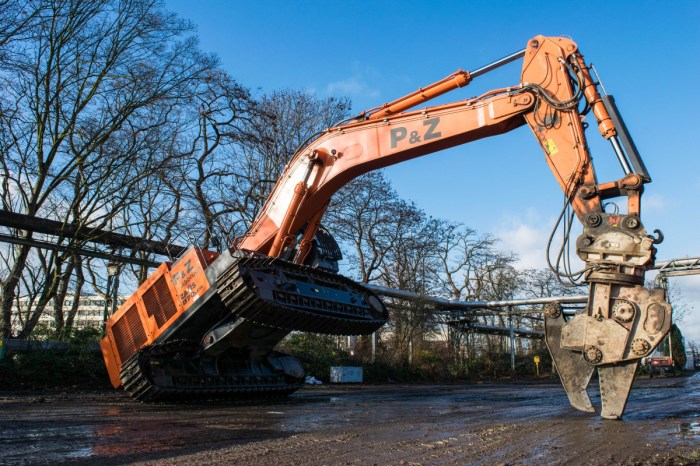
Construction automation systems are revolutionizing the way we build, integrating advanced technologies to streamline processes and enhance productivity. As these systems evolve, they play a crucial role in addressing the challenges faced by the construction industry, from labor shortages to safety concerns.
This overview will delve into the various types of automation systems in use today, their benefits, and the emerging trends shaping the future of construction. By understanding these elements, stakeholders can better appreciate the significance of automation in driving efficiency and innovation in building practices.
Introduction to Construction Automation Systems
Construction automation systems represent a transformative shift in the building industry, aimed at enhancing efficiency, safety, and precision. These systems encompass a range of technologies and processes designed to automate construction tasks, from planning to execution. The evolution of construction automation technologies has been remarkable over the years, transitioning from manual methods to the integration of advanced robotics and software solutions.
In modern building practices, the significance of construction automation cannot be overstated, as it not only streamlines operations but also addresses labor shortages and improves project outcomes.
Types of Construction Automation Systems
The construction industry currently utilizes various types of automation systems that cater to different aspects of the building process. These include:
- Robotics: The application of robots in construction tasks such as bricklaying, welding, and demolition has led to increased speed and accuracy.
- Software Solutions: Project management software plays a crucial role in scheduling, resource allocation, and tracking progress, making it easier to manage complex projects.
- Drones: Drones are being used for site surveys and inspections, providing real-time data and aerial views that enhance decision-making.
Benefits of Implementing Automation in Construction
Implementing automation systems in construction yields numerous benefits, significantly altering traditional practices. Key advantages include:
- Efficiency Gains: Automation reduces construction time and enhances productivity, allowing projects to be completed faster.
- Cost Reduction: By minimizing labor costs and optimizing resource usage, automation leads to significant financial savings.
- Improved Safety: Automated systems reduce the risk of human error and accidents on-site, ensuring a safer work environment.
Successful case studies, such as the use of robotic arms for repetitive tasks, illustrate the measurable impact of these systems on project timelines and quality.
Challenges in Adopting Construction Automation
Despite the advantages, there are challenges to implementing construction automation systems. Common barriers include:
- Financial Constraints: High initial investment costs can deter smaller companies from adopting advanced technologies.
- Skill Gap: The need for specialized training presents a challenge, as existing workers may lack the necessary skills to operate automated systems.
- Regulatory Compliance: Navigating the complex regulatory landscape can be difficult, as businesses must ensure adherence to safety and building standards.
Future Trends in Construction Automation
Emerging technologies are set to shape the future of construction automation significantly. Notable trends include:
- Artificial Intelligence: AI is poised to optimize project management and predictive analytics, enhancing decision-making processes.
- Machine Learning: Through continuous learning from data, machine learning can improve automation efficiency and accuracy in construction tasks.
- Sustainable Practices: The integration of eco-friendly technologies and processes is becoming essential, aligning automation with sustainability goals.
Business Implications of Construction Automation
The impact of construction automation extends into various business areas, including:
- Accounting Practices: Automation can streamline financial reporting and budgeting, improving accuracy and efficiency in financial management.
- Payroll Systems: Automated payroll solutions help manage the complexities of an automated workforce, ensuring timely payments and compliance.
- Advertising Strategies: Utilizing automation can enhance marketing efforts, allowing construction firms to target their audience more effectively.
Relationship with Other Business Areas
Construction automation intersects with various other business sectors, such as:
- Agriculture: Techniques from agricultural automation are influencing construction practices, particularly in resource management and logistics.
- Architecture and Interior Design: These fields play a critical role in shaping automated systems, ensuring that designs align with automated capabilities.
- Branding Strategies: Automation can enhance branding efforts by showcasing innovative practices and improving customer engagement.
Human Resources in Construction Automation
The implications of automation on human resources are profound. Key aspects include:
- Recruitment: The shift towards automation requires a new approach to hiring, focusing on candidates with technical skills and adaptability.
- Change Management: Implementing change management strategies is essential to help employees transition to new technologies and processes.
- Customer Service: Maintaining excellence in customer service remains a priority, demanding a blend of automated solutions and human touch.
Entrepreneurial Opportunities in Construction Automation

The rise of construction automation has opened numerous entrepreneurial avenues, such as:
- Innovative Startups: Many startups are emerging in the construction tech space, focusing on developing automation solutions tailored to industry needs.
- Franchising: Franchising opportunities are expanding within the sector, allowing businesses to scale automated services effectively.
- Collaborations: Partnerships between tech firms and construction companies can foster innovation and accelerate the adoption of automation.
Outcome Summary
In conclusion, embracing construction automation systems not only paves the way for increased efficiency and safety but also opens doors to new business opportunities. As the industry continues to evolve, staying ahead of technological trends will be essential for growth and sustainability in construction.
Frequently Asked Questions
What are construction automation systems?
They are integrated technologies designed to improve efficiency and safety in construction processes.
How do automation systems reduce labor costs?
By increasing productivity and minimizing the need for manual labor, automation leads to significant cost savings.
What challenges do companies face when adopting automation?
Common issues include skill gaps, regulatory compliance, and the initial investment required for implementation.
Can construction automation enhance safety on job sites?
Yes, automation reduces human error and increases monitoring capabilities, leading to safer job environments.
What is the future of construction automation?
Emerging technologies like AI and machine learning are expected to further revolutionize construction practices and improve efficiency.