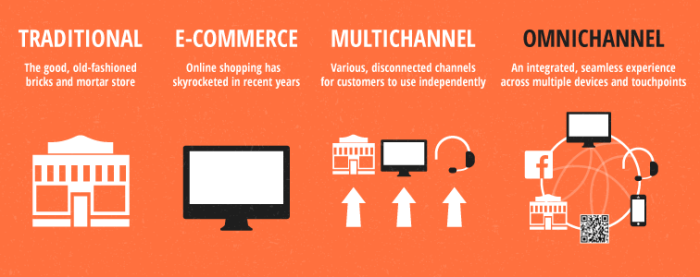
Omnichannel customer support is revolutionizing how businesses interact with their customers, blending multiple channels to create a seamless experience. In today’s fast-paced digital landscape, customers expect consistent and personalized support across various platforms, from social media and chatbots to traditional phone calls. This approach not only meets customer demands but also fosters lasting relationships.
By integrating different communication channels, businesses can ensure that customer interactions remain cohesive and efficient. This not only enhances satisfaction but also boosts loyalty, making it a crucial strategy for modern enterprises striving for excellence in customer service.
Understanding Omnichannel Customer Support
Omnichannel customer support is a holistic approach that integrates various channels to provide seamless communication between businesses and their customers. In today’s fast-paced digital world, where customers interact across multiple platforms, it’s crucial for businesses to adapt to this change. The significance of omnichannel support lies not just in convenience but also in the enhanced customer experience it offers.This approach encompasses various channels such as email, social media, live chat, phone calls, and in-person interactions.
When these channels are well-integrated, customers can switch between them without losing context, ensuring a smooth and consistent experience. Effective customer support through an omnichannel strategy significantly impacts customer satisfaction and retention rates, as customers appreciate the flexibility and responsiveness that come with it.
Benefits of Implementing Omnichannel Support
Implementing an omnichannel support system can transform a business’s customer service model. The key benefits of adopting this approach include:
- Enhanced Customer Experience: Customers receive personalized and timely responses, leading to increased satisfaction.
- Increased Customer Retention: By providing consistent and quality support, businesses can build lasting relationships with their customers.
- Efficiency Gains: Streamlined processes across channels can reduce response times and improve service delivery.
Companies like Zappos and Starbucks have successfully adopted omnichannel support. Zappos, known for its exceptional customer service, utilizes various channels to ensure customers can reach them easily, resulting in high customer loyalty. Starbucks employs a mobile app that integrates ordering and payment, enhancing customer engagement and satisfaction.
Strategies for Effective Omnichannel Customer Support
To successfully implement omnichannel customer support, businesses should adopt a comprehensive strategy, including the following steps:
- Channel Integration: Ensure all channels are connected and share customer information to maintain context.
- Staff Training: Train customer support staff on the nuances of each channel and the importance of a unified approach.
- Technology Utilization: Leverage tools like CRM systems to manage customer interactions effectively.
Investing in training programs that focus on omnichannel communication can empower staff to provide better service. Additionally, tools like Zendesk and Freshdesk can facilitate seamless customer interactions across different platforms.
Challenges in Omnichannel Customer Support
Transitioning to an omnichannel support model presents several challenges, including:
- Channel Silos: Often, departments operate independently, hindering integrated customer service.
- Data Management: Managing customer data across multiple channels can be complex and prone to errors.
- Resource Allocation: Balancing resources across channels requires careful planning and assessment.
To overcome these challenges, businesses should focus on creating a centralized data management system that provides a unified view of customer interactions. This will help in addressing issues effectively and enhance overall service quality.
Role of Technology in Omnichannel Support
Technology plays a vital role in enabling effective omnichannel customer support. Customer Relationship Management (CRM) systems are essential, providing a single platform where businesses can track customer interactions across all channels. AI and chatbots can enhance customer interaction by providing instant responses and support on various platforms. For instance, a chatbot on a business’s website can handle common queries, while more complex issues can be escalated to human agents.
Mobile technology also facilitates omnichannel experiences, allowing customers to interact with businesses anytime, anywhere. Mobile apps can streamline communication and provide consistent service, whether users are at home or on the go.
Customer Service Excellence in an Omnichannel World
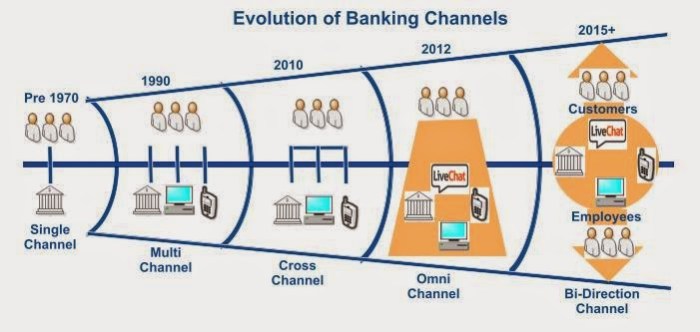
In an omnichannel environment, customer service excellence is defined by the ability to provide a consistent and high-quality experience across all channels. Best practices include:
- Consistency: Maintain the same tone and messaging across different support channels.
- Personalization: Use customer data to tailor interactions and build rapport.
- Feedback Mechanisms: Regularly gather customer feedback to continuously improve service quality.
Companies like Amazon exemplify this approach, utilizing customer data to offer personalized recommendations and ensuring a consistent experience across their website and mobile app.
Omnichannel Support and Business Accounting
For accounting firms, omnichannel support can enhance client relationship management significantly. By utilizing multiple communication channels, firms can streamline communication processes, making it easier for clients to reach out with inquiries or updates.Examples of accounting practices that have successfully integrated omnichannel strategies include firms using secure client portals for document sharing while also providing support via phone and email. This integration improves client retention, as clients feel more connected and valued.
Omnichannel Support in Business Advertising
In advertising, an omnichannel approach is crucial for improving customer engagement. Businesses can leverage multiple platforms to deliver their advertising messages consistently, ensuring that they reach their target audience effectively.Successful advertising campaigns, such as Coca-Cola’s “Share a Coke,” utilized omnichannel strategies by integrating social media, traditional ads, and events to create a cohesive brand experience, which led to increased customer interaction and sales.
Impact of Omnichannel Support on Human Resources
Omnichannel customer support can significantly enhance HR functions, particularly in areas like employee onboarding and engagement. By employing omnichannel strategies, HR departments can address employee concerns more effectively and facilitate smoother communication.Regular updates through various channels, such as emails, intranets, and social media groups, can help maintain employee satisfaction. Consistent communication fosters a sense of belonging and keeps employees informed about company changes and initiatives.
Future Trends in Omnichannel Customer Support
As technology evolves, several emerging trends are shaping the future of omnichannel customer support. These include:
- Increased Use of AI: AI will play a more significant role in automating responses and personalizing customer interactions.
- Focus on Data Privacy: As data management becomes more critical, businesses will need to ensure robust privacy measures are in place.
- Integration of New Channels: The rise of platforms like messaging apps will prompt businesses to expand their support channels further.
Businesses that prepare for these trends by adopting flexible strategies and investing in technology will be well-positioned to meet evolving customer expectations in the coming years.
Closure
In conclusion, adopting omnichannel customer support is not just a trend but a necessity for businesses aiming to thrive in a competitive market. By understanding the value it brings and implementing effective strategies, companies can significantly improve customer engagement and satisfaction. As we look to the future, embracing this approach will be key to navigating evolving customer expectations and technological advancements.
FAQ Section
What is omnichannel customer support?
It is an approach that integrates various communication channels to provide a seamless customer experience.
Why is omnichannel support important?
It enhances customer satisfaction and loyalty by ensuring consistent and personalized interactions across all platforms.
How can businesses implement omnichannel support?
By integrating technology, training staff, and designing strategies that unify customer interactions.
What challenges do businesses face with omnichannel support?
Common challenges include data management, staff training, and maintaining consistency across channels.
How does technology play a role in omnichannel support?
Technologies like CRM systems and AI enhance interactions and streamline communication across various platforms.