
Branding for entrepreneurs is more than just a logo or a catchy tagline; it’s the essence of your business, the story you tell, and the reputation you build. As an entrepreneur, understanding the power of branding is crucial for standing out in a crowded marketplace and creating lasting connections with your audience.
This guide will delve into the significance of branding, explore unique strategies, and provide actionable insights tailored for entrepreneurs. From defining your brand identity to aligning it with your business goals, we’ll cover essential components that drive success in your entrepreneurial journey.
Understanding Branding for Entrepreneurs
In the dynamic world of entrepreneurship, branding emerges as a crucial factor that can define the success of a business. It goes beyond just a logo or a catchy tagline; branding is about creating a perception in the minds of consumers. A strong brand not only attracts customers but also fosters loyalty and trust, which are essential for long-term success.Brand identity comprises several components that work together to convey a consistent message about a business.
These components include the brand name, logo, color palette, typography, and overall design aesthetic. A well-defined brand identity helps differentiate a business in a crowded marketplace.It’s important to note the key differences between branding and marketing. While branding focuses on the long-term vision and values of a company, marketing is about the tactics used to promote products and services. Branding is the foundation upon which marketing strategies are built.
Developing a Unique Brand Strategy
Creating a unique brand strategy is essential for entrepreneurs looking to carve out their niche. Here’s a step-by-step guide to developing a brand strategy:
- Define your brand’s mission and vision.
- Identify your target audience.
- Analyze your competitors.
- Establish your unique value proposition.
- Create a brand voice and messaging.
- Design your visual identity.
- Develop a marketing strategy that aligns with your brand.
Successful branding strategies can be observed in well-known entrepreneurs such as Steve Jobs with Apple, who emphasized innovation and design, or Howard Schultz with Starbucks, who built a brand around the experience of coffee culture. Aligning branding with business goals and values ensures consistency and helps resonate with the target audience.
Business Accounting and Branding
Branding significantly impacts financial performance and accounting practices. A strong brand can lead to increased sales, allowing for better revenue streams. It’s crucial for entrepreneurs to keep financial records that accurately reflect branding investments, such as marketing campaigns and branding materials.To track branding-related expenses in business accounting, entrepreneurs can implement various methods:
- Use dedicated accounting software that categorizes branding expenses.
- Regularly review marketing budgets to assess ROI related to branding initiatives.
- Maintain clear documentation of all branding activities and their associated costs.
Branding in Business Advertising
Integrating branding into advertising campaigns is vital for creating a cohesive message. Strategies to achieve this include using consistent visuals, tone, and messaging across all platforms. Branding plays a crucial role in creating effective advertisements that resonate with the audience.Best practices for maintaining brand consistency across various advertising platforms include:
- Establish a brand style guide that Artikels visual and messaging standards.
- Train all team members on brand voice and visual identity.
- Monitor advertising campaigns to ensure adherence to brand guidelines.
Branding in Different Industries
Branding strategies can vary significantly between industries. For example, in agriculture, brands often focus on sustainability and local sourcing, while technology companies may emphasize innovation and cutting-edge solutions. Entrepreneurs in the construction industry face unique branding challenges, such as overcoming perceptions of quality and reliability. Identifying branding opportunities in sectors like interior design involves showcasing creativity and personalized service to attract clientele.
The Role of Human Resources in Branding
Human Resources (HR) plays a critical role in influencing brand perception within a company. By hiring employees who align with brand values, HR can enhance the overall branding efforts. Employee branding is equally important, as employees who embody brand values contribute to a positive image.A plan for aligning HR practices with company brand values should include:
- Developing training programs that emphasize brand values.
- Creating a recruitment process that evaluates cultural fit.
- Implementing employee engagement initiatives that promote brand advocacy.
Customer Service and Branding
Customer service is directly related to brand loyalty and can significantly impact a brand’s reputation. Training customer service representatives to embody brand values is essential for delivering a consistent brand experience.Examples of brands that excel in customer service include Zappos and Amazon, where exceptional service enhances their overall brand image. This commitment to customer satisfaction fosters loyalty and encourages repeat business.
Ethical Branding Practices
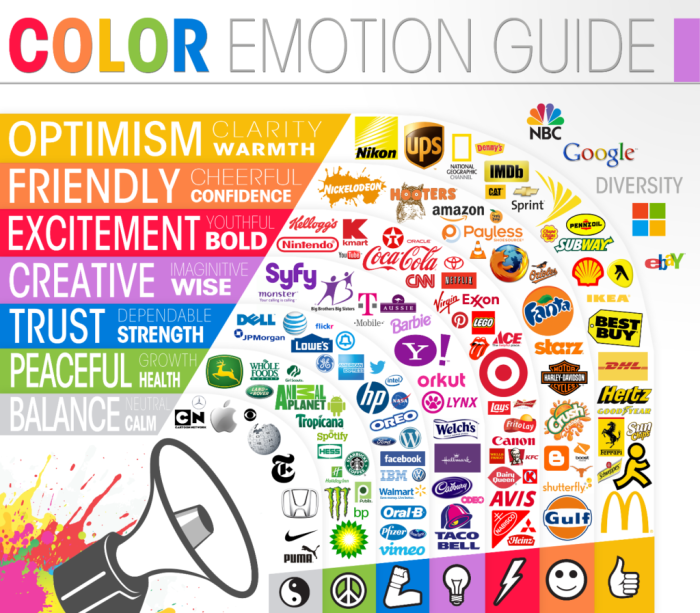
Ethics play a vital role in branding and consumer trust. Entrepreneurs can incorporate ethical practices into their branding efforts by prioritizing transparency, sustainability, and social responsibility. Case studies of brands that faced backlash due to unethical branding practices, such as Volkswagen’s emissions scandal, highlight the importance of maintaining ethical standards. Upholding these practices not only protects the brand but also builds consumer confidence.
Branding for Business Franchises
Maintaining brand consistency across franchise locations is crucial for brand integrity. Strategies for achieving this include developing comprehensive franchise manuals and ongoing training programs for franchisees.Franchises face challenges in branding and marketing due to varying local markets. A guide for franchise owners on upholding brand integrity should include:
- Regular communication between the franchisor and franchisees.
- Support for local marketing efforts that align with brand messaging.
- Monitoring and evaluating franchise compliance with brand standards.
Evolving Your Brand
Rebranding may become necessary as market trends and consumer preferences evolve. Factors that signal it’s time for a change include declining sales, shifts in target demographics, or brand misalignment with business goals.Adapting branding to market trends is essential for maintaining relevancy. A checklist for entrepreneurs considering a rebrand could include:
- Assessing current brand perception through customer feedback.
- Identifying the key elements of the brand that need updating.
- Developing a strategic plan for the rebranding process.
Outcome Summary
In conclusion, effective branding is a dynamic process that requires continuous adaptation and a deep understanding of your target audience. As you implement the strategies discussed, remember that your brand is a living entity that grows and evolves with your business. By prioritizing branding, entrepreneurs can ensure a strong market presence and foster loyal customer relationships that contribute to long-term success.
FAQ Explained
Why is branding important for entrepreneurs?
Branding helps entrepreneurs differentiate their products and services, build customer loyalty, and establish a strong market presence, which is crucial for business success.
How can I create a strong brand identity?
A strong brand identity can be created by defining your mission, understanding your target audience, and ensuring consistency across all brand touchpoints.
What are some common mistakes in branding?
Common mistakes include neglecting market research, being inconsistent in messaging, and failing to adapt to changing consumer preferences.
How often should I evaluate my branding strategy?
It’s advisable to evaluate your branding strategy regularly, at least once a year or whenever significant changes occur in your market or business.
Can branding affect sales?
Yes, effective branding can significantly influence sales by enhancing customer trust and loyalty, making it easier for customers to choose your brand over competitors.