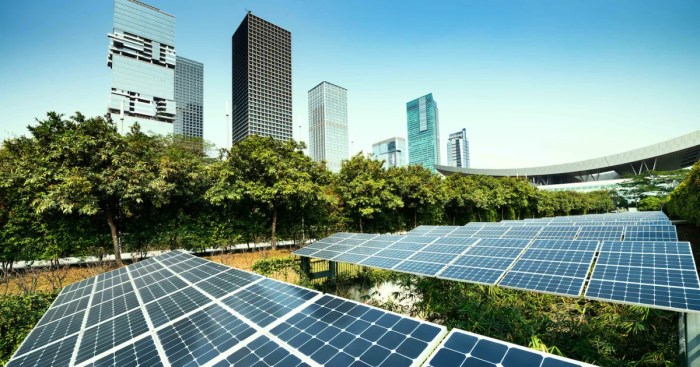
Kicking off with Sustainable architecture trends, this field is rapidly evolving, emphasizing the need for buildings that not only meet human needs but also respect our planet. As resources diminish and climate change accelerates, architects are tasked with creating spaces that are innovative, energy-efficient, and environmentally friendly.
From utilizing eco-friendly materials to implementing cutting-edge technologies, the trends in sustainable architecture reflect a growing awareness of our environmental impact. With a focus on energy efficiency, water conservation, and sustainable urban planning, these practices not only enhance the aesthetics of our surroundings but also contribute to a healthier future for all.
Overview of Sustainable Architecture Trends
Sustainable architecture represents an approach to building design that prioritizes environmental responsibility and resource efficiency. It has gained significant traction in recent years, driven by the urgent need to combat climate change and reduce the ecological footprint of our built environment. Sustainable architecture not only focuses on energy efficiency and renewable resources but also emphasizes the well-being of occupants and the longevity of structures.Recent trends in sustainable architecture include biophilic design, which integrates natural elements into the built environment, and adaptive reuse, where old buildings are renovated for new purposes instead of being demolished.
Furthermore, there is a strong emphasis on creating buildings that are energy-positive, meaning they produce more energy than they consume. The impact of sustainability on building design and construction is profound, as it encourages architects and builders to innovate and adopt practices that benefit both the planet and its inhabitants.
Materials and Resources in Sustainable Architecture
The choice of materials is crucial in sustainable architecture. Eco-friendly materials commonly used include bamboo, reclaimed wood, recycled steel, and low-VOC (volatile organic compounds) paints. These materials not only lessen the environmental impact but also contribute to healthier indoor air quality.Using renewable resources in building projects is essential for minimizing resource depletion. For example, materials like straw bales and rammed earth are not only sustainable but also provide excellent insulation.
Innovations in material science, such as self-healing concrete and carbon-capturing bricks, are paving the way for even more sustainable building practices. These advancements help reduce the overall carbon footprint associated with construction.
Energy Efficiency and Renewable Energy Sources
Enhancing energy efficiency in buildings can be achieved through various strategies. These include optimizing building orientation, utilizing high-performance insulation, and installing energy-efficient windows. Such measures drastically reduce the energy required for heating and cooling.Solar panels and wind energy play a significant role in sustainable architecture by providing renewable energy sources that can power buildings. The integration of these technologies allows for a substantial decrease in reliance on fossil fuels.
Additionally, energy-efficient building certifications like LEED (Leadership in Energy and Environmental Design) and BREEAM (Building Research Establishment Environmental Assessment Method) encourage the adoption of sustainable practices by providing a framework for measuring and improving energy performance.
Water Conservation and Management
Implementing water-efficient systems in architecture involves using fixtures that minimize water usage, such as low-flow toilets and faucets. Rainwater harvesting systems can also be integrated to collect and reuse rainwater for irrigation and non-potable uses, thereby reducing overall water consumption.Landscape designs that promote water conservation can include xeriscaping, which uses drought-resistant plants, and permeable paving that allows rainwater to seep into the ground rather than run off.
Rainwater harvesting is particularly significant in sustainable buildings, as it not only conserves water but also helps manage stormwater runoff effectively.
Sustainable Urban Planning and Community Design
Sustainable urban planning is grounded in principles that aim to create efficient, livable, and environmentally friendly spaces. This includes mixed-use developments that reduce the need for transport and enhance community interaction. Successful community projects focusing on sustainability often incorporate public transport accessibility, green infrastructure, and community gardens. The role of green spaces in urban environments cannot be overstated. They provide critical ecosystem services such as air purification, temperature regulation, and recreational areas for residents, contributing to overall urban resilience.
Technological Advancements in Architecture
Smart technology is revolutionizing sustainable architecture by enhancing building performance and energy management. Smart systems can monitor energy usage and adjust conditions for optimal efficiency, leading to reduced waste and costs.Building Information Modeling (BIM) contributes significantly to sustainability by allowing architects and builders to visualize and simulate the performance of a building before construction begins. This technology aids in identifying potential issues and optimizing resource use.
The use of the Internet of Things (IoT) in buildings allows for real-time monitoring of energy consumption, occupancy, and environmental conditions, facilitating a proactive approach to sustainability.
Sustainability in Business Practices
Sustainable architecture can enhance business branding by aligning company values with environmentally friendly practices. Companies that adopt sustainable building strategies often attract eco-conscious clients and partners, giving them a competitive edge.Accounting practices for sustainable projects require tracking not only financial metrics but also environmental and social impacts. This holistic approach ensures that sustainability is integrated into every aspect of the business.
Ethical considerations in sustainable architecture are paramount, as they guide decisions that affect communities, the environment, and future generations.
Challenges and Solutions in Sustainable Architecture
Architects often face common challenges in implementing sustainable designs, such as high initial costs and regulatory hurdles. Overcoming these barriers involves innovative financing models, such as green loans, and advocacy for supportive policies that promote sustainability.Government policies play a crucial role in promoting sustainable practices by providing incentives for energy-efficient buildings and setting strict environmental standards. Collaboration between various stakeholders—including architects, builders, and policymakers—is essential to drive effective change in the construction industry.
Case Studies of Successful Sustainable Projects
Notable sustainable architecture projects, such as the Bosco Verticale in Milan and the Edge in Amsterdam, serve as benchmarks for modern sustainable design. These projects showcase innovative approaches to green architecture while emphasizing the importance of integrating nature within urban settings.Lessons learned from these case studies highlight the need for collaboration, creativity, and a commitment to sustainability. The success of such projects has profoundly influenced current trends, encouraging architects worldwide to adopt practices that prioritize environmental stewardship.
Future Directions in Sustainable Architecture
Future trends in sustainable architecture design are likely to focus on further integration of nature into the built environment, with an emphasis on resilience to climate change. Innovations in sustainable materials, such as biodegradable composites and carbon-negative alternatives, are expected to play a critical role in this evolution.The potential impact of climate change on architectural practices cannot be ignored. As extreme weather events become more prevalent, buildings will need to be designed with enhanced resilience and adaptability.
The architectural industry is poised for a significant transformation as it embraces these future challenges and opportunities.
Wrap-Up
In conclusion, the journey through Sustainable architecture trends reveals a promising path towards a more sustainable future. By embracing innovative materials, energy-efficient solutions, and community-focused designs, we can transform our built environment into one that harmoniously coexists with nature. As we look ahead, the continued evolution of these trends will play a crucial role in mitigating climate change and fostering sustainable living.
General Inquiries
What is sustainable architecture?
Sustainable architecture focuses on designing buildings that minimize environmental impact while maximizing efficiency and comfort.
How can sustainable architecture benefit businesses?
It enhances brand image, can lower operational costs through energy efficiency, and attracts eco-conscious clients.
What are some examples of sustainable materials?
Examples include bamboo, recycled steel, reclaimed wood, and low-VOC paints.
Why is water conservation important in architecture?
It reduces resource consumption, lowers utility costs, and helps manage stormwater runoff effectively.
What role do government policies play in sustainable architecture?
They can incentivize sustainable building practices through regulations, grants, and tax benefits.